
Table of Contents
The way people watch television has changed dramatically over the past decade, and IPTV providers are at the center of that transformation. Instead of relying on traditional cable infrastructure or satellite dishes, internet protocol television delivers content directly through your broadband connection — giving viewers more flexibility, more channels, and more control over how and where they watch.
With so many IPTV providers on the market today, choosing the right service can feel overwhelming. Pricing, channel selection, streaming quality, device compatibility, and customer support all vary significantly from one provider to the next.
This guide breaks down everything you need to know about evaluating and selecting IPTV providers — whether you’re a first-time subscriber looking to cut the cord or an experienced user upgrading to a better service. Users should comply with local laws and licensing regulations when subscribing to any internet television service.
What Are IPTV Providers and How Do They Work
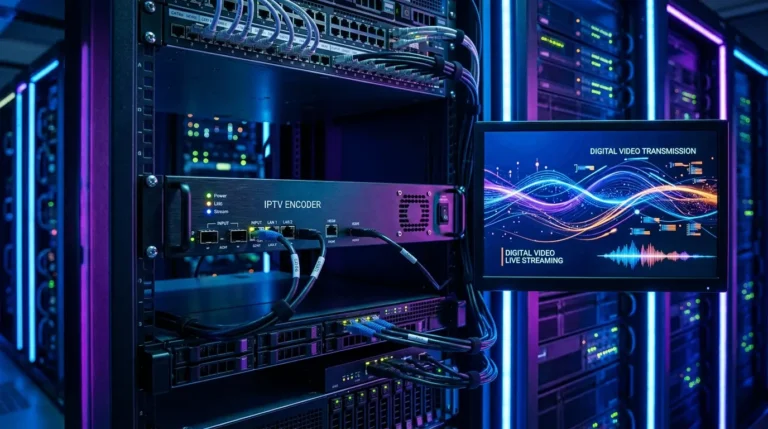
IPTV providers are services that deliver television content over internet protocol networks rather than traditional broadcast, cable, or satellite systems. Instead of receiving a signal through an antenna or coaxial cable, your content is streamed from servers directly to your device over a broadband connection.
Here’s how the process typically works:
- The IPTV provider encodes live or on-demand video content and stores it on media servers.
- When you request a channel or program, the stream is delivered to your device via your internet connection.
- A compatible app, set-top box, smart TV, or media player decodes and displays the content in real time.
This architecture allows IPTV providers to offer a much wider range of content than traditional TV services — including international channels, live sports coverage, video-on-demand libraries, and catch-up television — all through a single subscription. Content availability may vary by region.
Key Features to Look for in IPTV Providers
Not all IPTV-providers are created equal. Before committing to a subscription, evaluate each service against these essential criteria.
Channel Count and Content Range
The most obvious metric when comparing IPTV-providers is the number of channels offered. However, raw channel count matters less than the quality and relevance of the content. Look for a provider that offers live television across the categories you care about most — news, sports, entertainment, documentaries, and international programming.
Streaming Quality and Stability
Reliable IPTV providers should offer streams in HD (1080p) and, increasingly, 4K resolution. Beyond resolution, pay close attention to stability — frequent buffering, freezing, or dropped streams point to server infrastructure problems that no picture quality can compensate for. A trial period or money-back guarantee is a good way to test a service before committing.
Device Compatibility
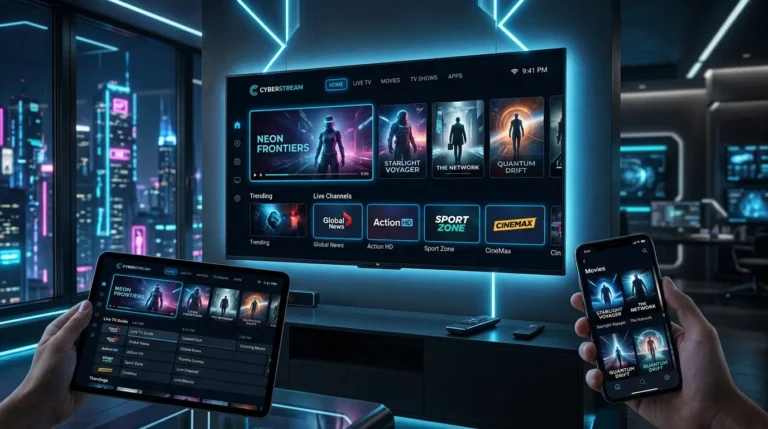
Leading IPTV-providers support a wide range of devices, including smart TVs, Android and iOS smartphones, tablets, laptops, Amazon Fire Stick, Roku, and dedicated IPTV set-top boxes. The more devices a provider supports, the more flexibility you have over how and where you watch.
Electronic Program Guide (EPG)
A well-organized electronic program guide makes it easy to browse upcoming content, set reminders, and plan your viewing. Quality IPTV providers include a full EPG with accurate scheduling data updated in real time.
Customer Support
Responsive support separates reliable IPTV providers from unreliable ones. Look for services that offer live chat, email support, and detailed setup documentation — especially if you’re new to internet television.
Types of IPTV Providers: Which One Is Right for You
The IPTV market includes several distinct categories of providers, each suited to different needs and viewing habits.
Live TV IPTV Providers
These services focus on delivering linear television — the same channel-by-channel experience you’d expect from cable or satellite, but delivered over the internet. Live TV IPTV-providers are ideal for viewers who want real-time news, live sports, and scheduled programming without the complexity of managing on-demand libraries.
Video-on-Demand IPTV-Providers
VOD-focused IPTV providers offer large libraries of films, series, and documentaries that viewers can access at any time. This format suits audiences who prefer watching content on their own schedule rather than following a broadcast timetable.
Hybrid IPTV-Providers
Many of the best IPTV providers combine live television with on-demand content in a single subscription. Hybrid services offer the most versatility — giving you scheduled live channels alongside a deep archive of content available whenever you want it.
Catch-Up IPTV-Providers
Catch-up functionality allows you to watch recently aired programming that you may have missed. IPTV providers with robust catch-up features typically store the past 7 to 30 days of broadcasts, making it easy to keep up with your favorite shows without recording anything manually.
How to Evaluate and Compare IPTV-Providers
Choosing between IPTV-providers requires more than comparing price lists. Use this framework to make a well-informed decision.
Start With a Trial
Most reputable IPTV providers offer short trial periods — typically 24 to 48 hours — at a reduced cost or free of charge. Use the trial to test stream stability, channel availability, app performance, and overall user experience before purchasing a longer subscription.
Check Server Locations and Uptime
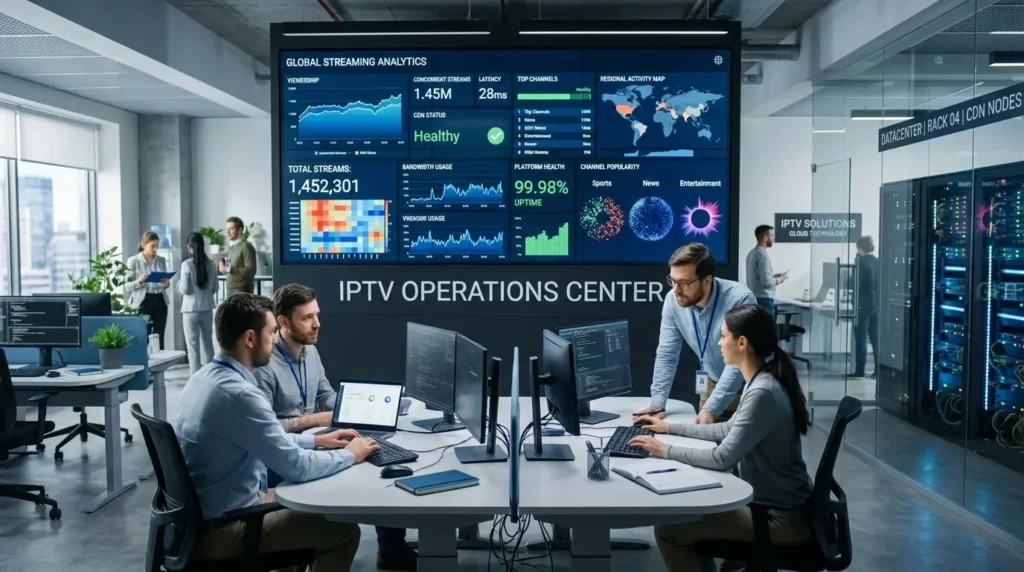
The geographic location of a provider’s servers affects stream latency and reliability. IPTV-providers with servers closer to your region tend to deliver smoother, lower-latency streams. Look for services that publish uptime guarantees or have a track record of consistent availability.
Read Independent Reviews
Community forums and independent review platforms often provide more candid assessments of IPTV-providers than official marketing materials. Pay attention to reports about buffering frequency, customer service response times, and how providers handle outages or technical issues.
Evaluate Pricing Against Value
Subscription costs among IPTV-providers range from budget-friendly monthly plans to premium annual packages. Avoid choosing based on price alone — a cheaper service that buffers constantly delivers worse value than a slightly more expensive provider with reliable streams and strong support.

How to Get Started with IPTV Providers
Once you’ve selected a service, getting up and running with your chosen provider is straightforward.
Step 1 — Choose Your Subscription Plan Most IPTV-providers offer monthly, quarterly, and annual plans. Annual subscriptions typically offer the best per-month value, but a monthly plan lets you test the service before committing long-term.
Step 2 — Download the App or Configure Your Device Your provider will supply an app for your smart TV, phone, or streaming stick, or provide M3U playlist credentials for use with a third-party media player. Follow the provider’s setup guide for your specific device.
Step 3 — Log In and Explore the Channel Guide Once connected, browse the electronic program guide to familiarise yourself with the channel lineup and on-demand library. Most IPTV-providers allow you to create favorites lists for quick access to the channels you watch most.
Step 4 — Optimize Your Connection For the best streaming experience, connect your device to your router via ethernet if possible, or ensure you’re on a strong Wi-Fi signal. A stable connection of at least 25 Mbps is recommended for consistent HD streaming from most IPTV providers.
Use only authorized content sources and ensure your subscription covers the content you intend to watch.
IPTV Providers — Frequently Asked Questions
What is the difference between IPTV providers and regular streaming services? Traditional streaming services typically offer on-demand content libraries. IPTV-providers generally offer live linear television — real-time channels — alongside on-demand content, making them a closer replacement for cable or satellite television.
How many devices can I use with most IPTV-providers? This varies by subscription. Most IPTV-providers offer plans that support one to five simultaneous connections. Premium plans often allow more devices, which is useful for households with multiple viewers.
What internet speed do I need for IPTV providers? For standard HD streaming, a stable connection of 10–15 Mbps is generally sufficient. For 4K content, aim for 25–50 Mbps. Multiple simultaneous streams multiply these requirements accordingly.
Are IPTV providers compatible with smart TVs? Most modern IPTV providers offer dedicated apps for leading smart TV platforms, as well as support for Amazon Fire Stick, Android TV boxes, and Apple TV. Always check device compatibility before subscribing.
Can I record content with IPTV providers? Some IPTV providers include cloud DVR or network recording features that allow you to save live broadcasts for later viewing. Availability depends on the specific plan and provider.
Conclusion: Find the IPTV Providers That Match Your Viewing Needs
The right IPTV-providers can completely transform your home entertainment setup — delivering more content, better flexibility, and greater value than traditional television services. The key is choosing a service that matches your specific needs: the right channel mix, device support, streaming quality, and customer care.
Take advantage of trial periods, read community reviews, and test services thoroughly before committing to a long-term subscription. With the right IPTV providers in your corner, you’ll enjoy a viewing experience that’s as reliable as it is rich in content.
Ready to upgrade your television experience? Compare IPTV-providers today and find the service that fits your lifestyle.